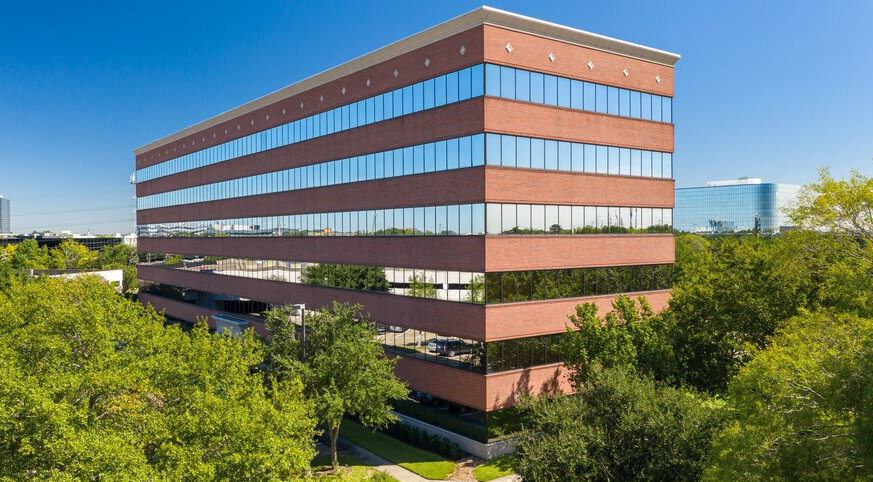
Ask three brokers to define Class A office space and you will get three answers, all of them confident. There is no official standard and no certifying body. What exists is a strong market convention — and understanding it is the difference between paying for a letter and paying for a building.
What the letters conventionally mean
- Class A — professionally managed, modern or well-maintained systems, quality finishes, competitive amenities, strong location within its own submarket. The buildings tenants describe as “nice.”
- Class B — functional and fairly priced. Older systems, plainer finishes, thinner management. Often perfectly good space.
- Class C — the oldest stock, dated systems, minimal amenities, priced accordingly. Occasionally the right answer, rarely the comfortable one.
Notice what is not in that list: height, prestige, or a downtown address. Those correlate with Class A pricing; they do not define the class.
What actually drives the letter
- Systems. HVAC, elevators, electrical, life safety — their age, their condition, and whether they are actually maintained or merely present.
- Management. Who answers when something breaks, and how fast. This is the single most under-weighted factor in the entire classification, and the one tenants feel every week.
- Finishes and common areas. The lobby, the corridors, the restrooms — the parts of the building your clients see before they see you.
- Amenities and parking. Conference facilities, on-site services, and whether parking is free surface or a monthly bill per employee.
- Location within its submarket. Class is graded against local peers, not against downtown. A Class A building in Westchase is graded against Westchase.
The myth worth killing
“Class A” is widely read as “expensive tower.” It is not a price tier — it is a quality tier, graded within a submarket.
Suburban Class A delivers the standard — systems, management, finishes, free parking — without the address premium. That gap is the entire value case for West Houston.
Grade a building yourself in twenty minutes
- Walk in as a client would. Lobby, elevator, corridor, restroom. If those embarrass you, no rate fixes it.
- Stand in the suite at 3 p.m. on a hot day. Houston tells the truth about HVAC in August, not in February.
- Ask who runs the building. Third-party manager, or the owner’s own team? Ask how a work order gets answered, and how fast.
- Count the parking, and price it. Free surface, or a monthly charge per car?
- Ask what has been replaced in the last decade. Chillers, roof, elevators. A good landlord knows this cold and will tell you.
What Class A costs in West Houston
| Building | Submarket | Asking rate |
|---|---|---|
| 800 Wilcrest Dr | Westchase · 77042 | $15 /SF/yr |
| 11111 Wilcrest Green Dr | Westchase · 77042 | $15 /SF/yr |
| 11200 Richmond Ave | West Houston · 77082 | $18–$20 /SF/yr |
| 11104 West Airport Blvd | Stafford · 77477 | $21 /SF/yr |
Gross Modified asking rates as of mid-2026; individual suites vary by size, term, and condition.
Those are Gross Modified rates in four professionally managed Class A buildings — run, unusually, by the owner’s own building-operations arm rather than a third-party manager. The cost guide explains the line items behind them; the value guide explains why the cheapest headline rate usually is not; and the submarket guides for Westchase, the Energy Corridor, and Stafford cover the trade-offs of each.
Judge the buildings yourself
Four Class A buildings across West Houston and Stafford, with published rates and a 3D walkthrough of every available suite.
Explore the portfolio The complete tenant guide