Everyone shopping for office space starts with the rate. It is the one number every listing publishes, so it becomes the number everyone compares. It is also, on its own, close to meaningless — because two quotes at the same rate can differ by 40% in what you actually write cheques for.
Five ways a cheap rate gets expensive
- The structure. A $12 NNN quote adds taxes, insurance, and maintenance on top of base rent. A $15 Gross Modified quote bundles most of it in. The $12 is not cheaper; it is unfinished. See the lease-types explainer.
- After-hours HVAC. Cheap buildings are frequently cheap because everything past 6 p.m. is metered and billed. If your team works evenings, price that before you price the rent.
- Parking. Free surface parking is the West Houston default and a paid monthly line item downtown. Multiply by headcount, then by twelve, and it stops being a footnote.
- Buildout. A low rate on a raw suite with no improvement allowance means you are paying for the walls. That is capital, up front, before revenue — and it is the number most tenants discover last. The buildout guide covers who normally pays what.
- The building itself. Failing HVAC, a lobby that embarrasses you in front of clients, and a landlord who takes a week to answer are not free. They are paid in staff turnover, client perception, and your own hours.
The only comparison that means anything
Normalize every quote to estimated total annual cost: base rent, plus everything the structure does not bundle, plus parking, plus after-hours use, plus amortized buildout.
Then divide by headcount. The cheapest headline rate loses this comparison more often than it wins it.
“Cheap” and “value” are different products
Cheap means you are paying less and getting less — older systems, deferred maintenance, weaker management, a worse address. Sometimes that is exactly the right trade, and an honest landlord will say so. A sublease is often the genuinely cheapest way to get a year of decent space, with real trade-offs we cover separately.
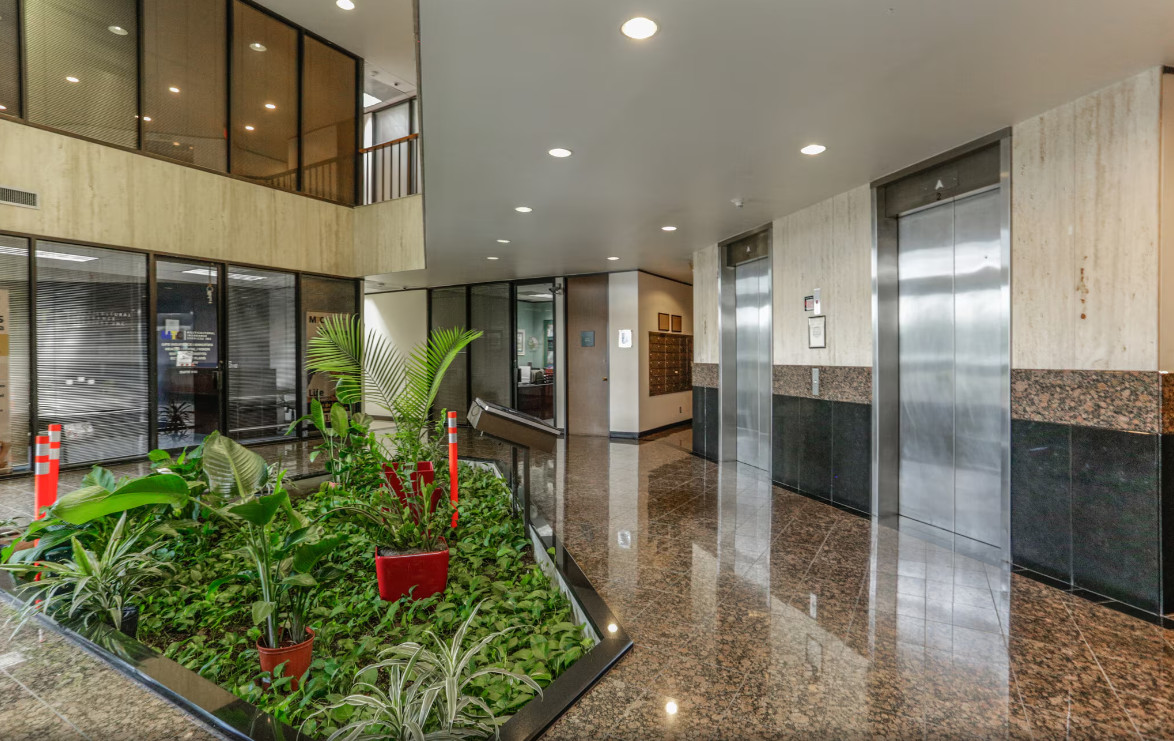
Value means the price is low relative to what the building actually delivers. That is a different claim, and it is checkable: Class A finishes, professional management, working systems, and free parking — at rates a tower cannot touch, because the address is not doing the pricing. Suburban Class A is the whole basis of that trade, and the building-class explainer covers why the letter and the price are far less correlated than people assume.
Where our rates sit
| Building | Submarket | Asking rate |
|---|---|---|
| 800 Wilcrest Dr | Westchase · 77042 | $15 /SF/yr |
| 11111 Wilcrest Green Dr | Westchase · 77042 | $15 /SF/yr |
| 11200 Richmond Ave | West Houston · 77082 | $18–$20 /SF/yr |
| 11104 West Airport Blvd | Stafford · 77477 | $21 /SF/yr |
Gross Modified asking rates as of mid-2026; individual suites vary by size, term, and condition.
Those are Gross Modified — most operating costs bundled into the rate — in professionally managed Class A buildings with free surface parking, in Westchase, West Houston, and Stafford. The buildings are run by their owner’s own operations arm, which is why the operating costs behind those rates are lower than they would otherwise be: roughly half the energy at 800 Wilcrest Dr went away between 2015 and 2025. Efficiency is not a marketing line here; it is the reason a $15 rate is sustainable.
The full cost guide breaks out every line item tenants forget, and the complete tenant guide puts the whole decision in the right order.
Compare on total cost, not headline rate
Published pricing on every available suite, 3D walkthroughs, and a Gross Modified structure that bundles the surprises in.
See available suites and rates Read the cost guide